Impact on student learning
Importance of Data
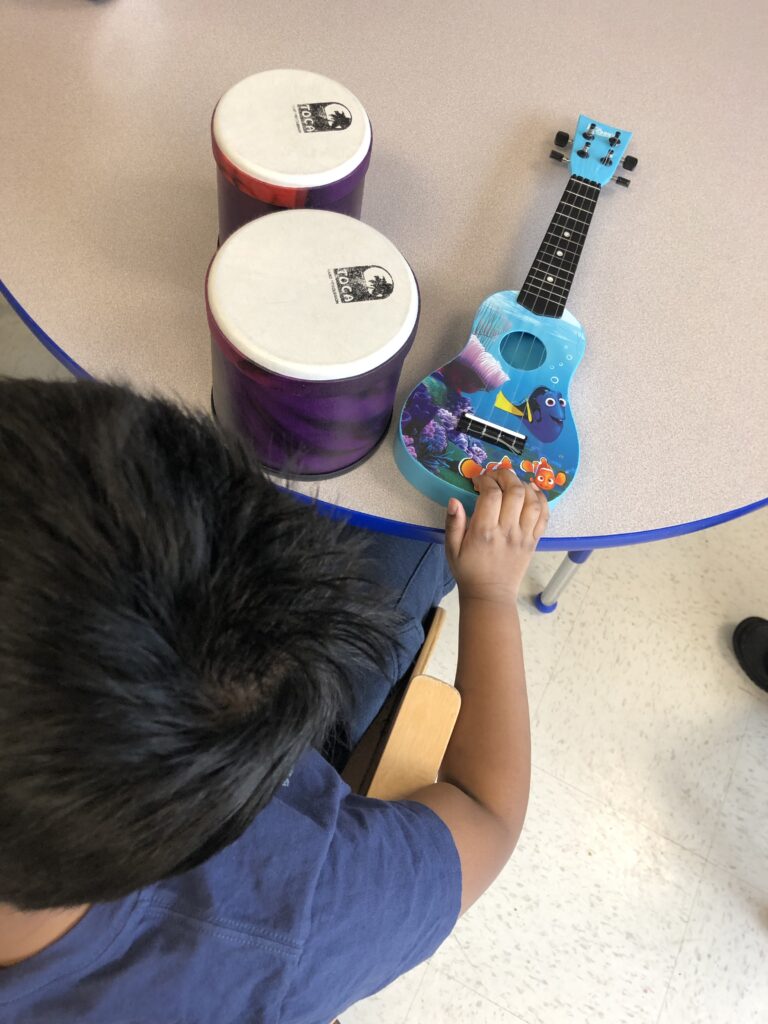
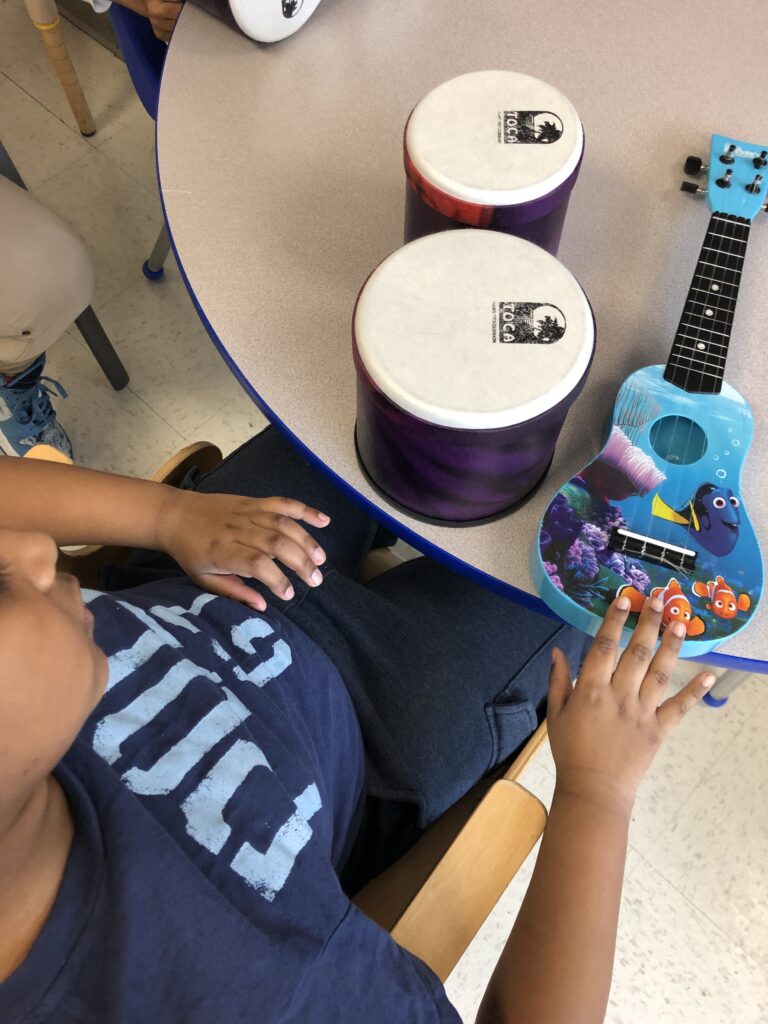
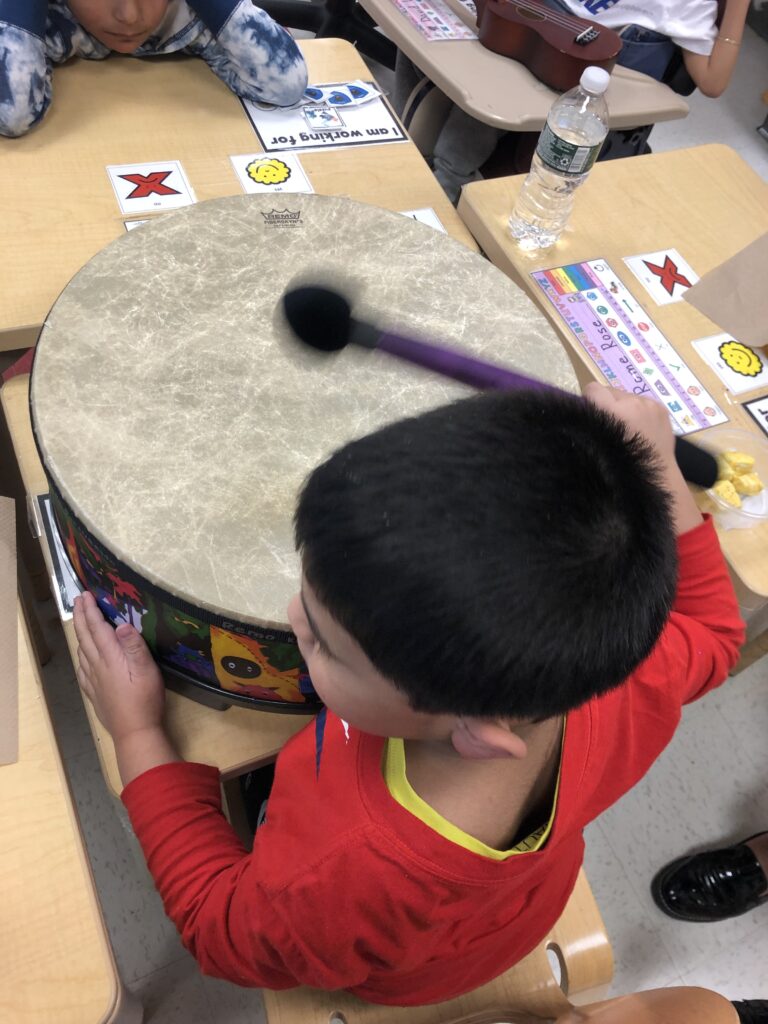
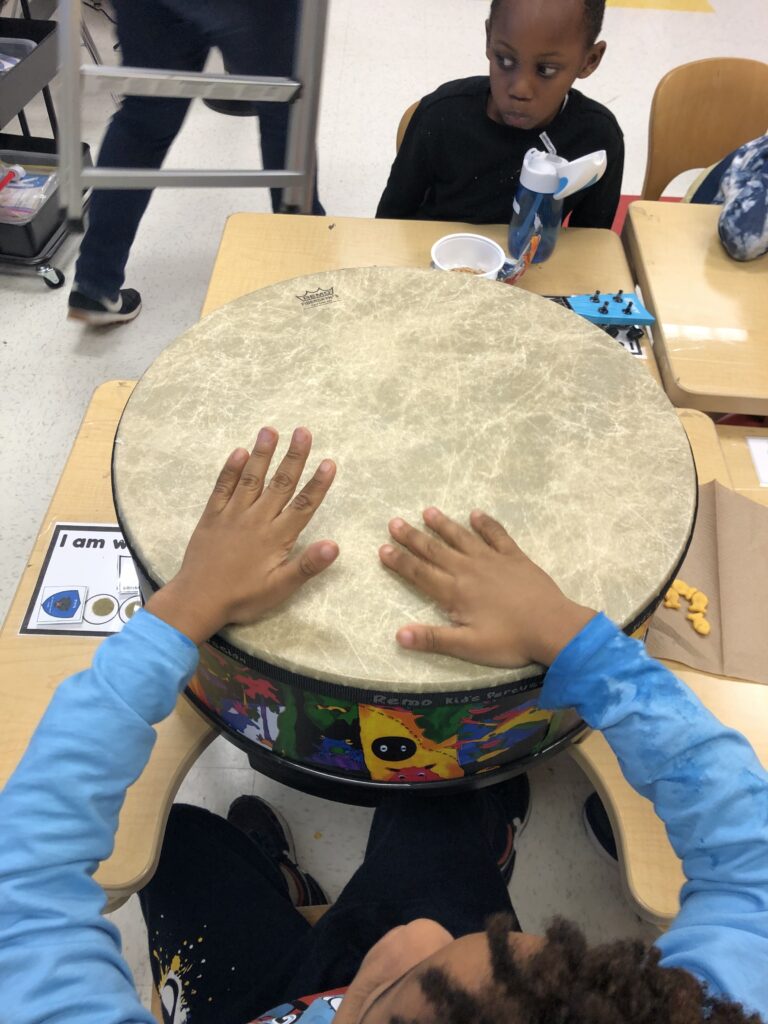
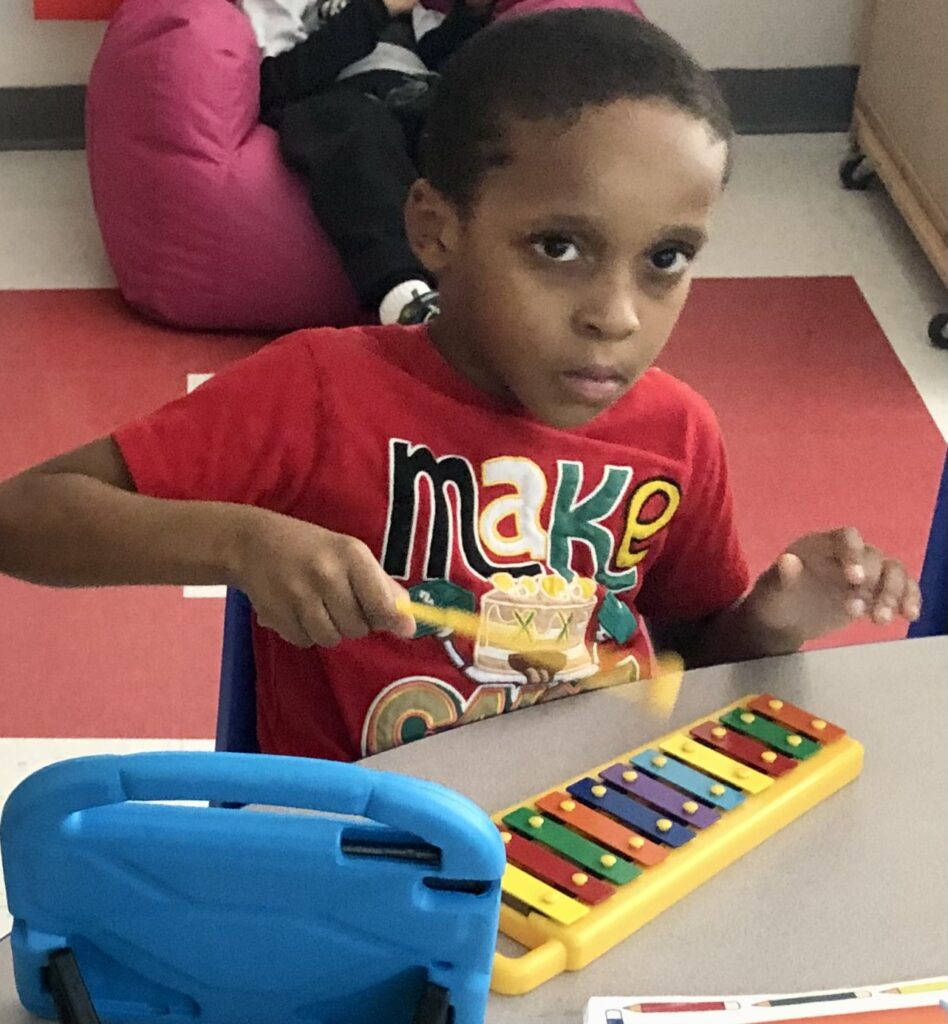
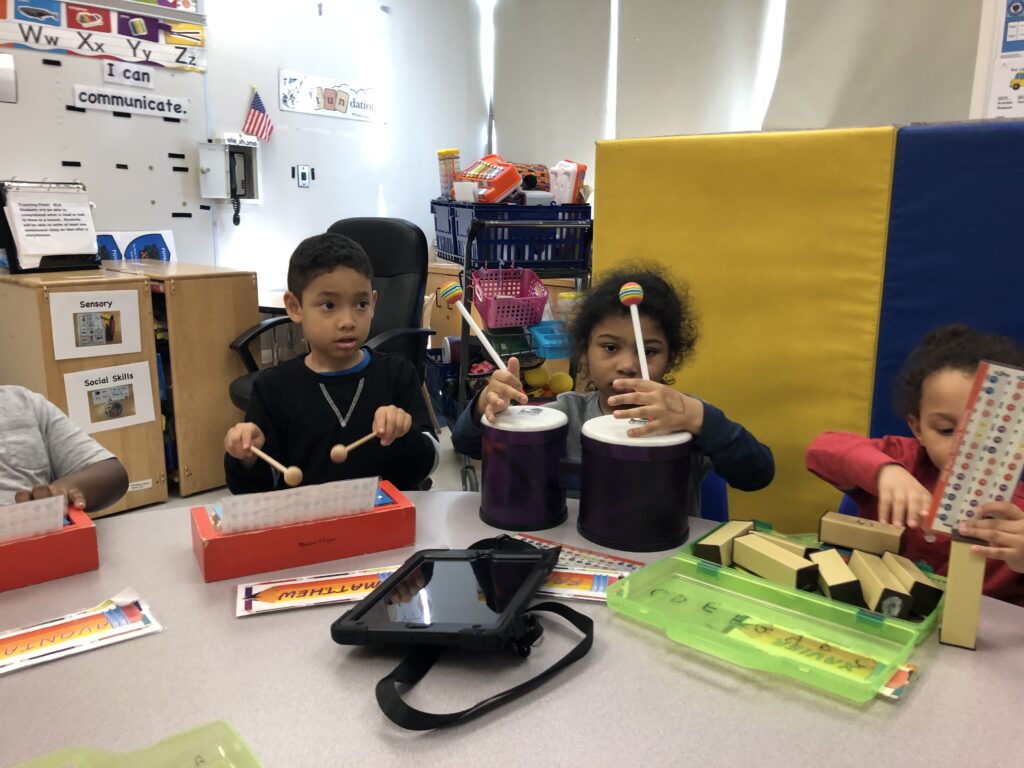
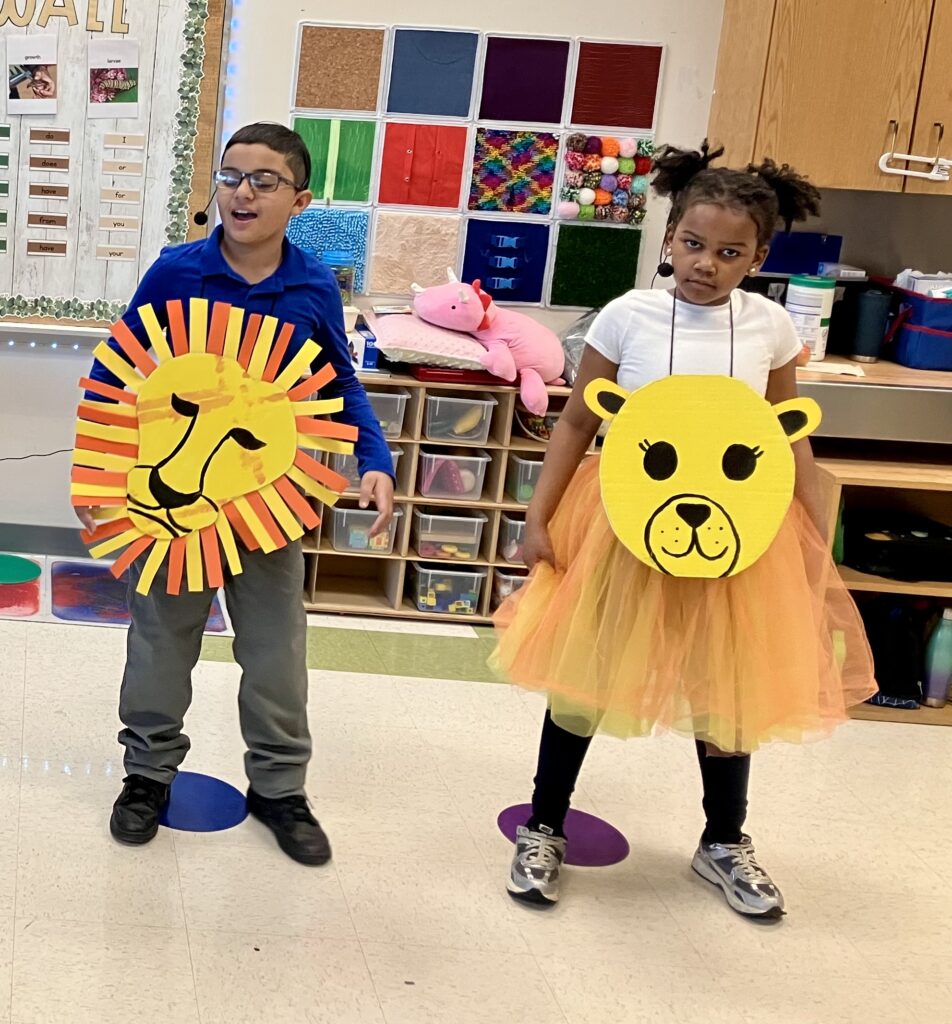
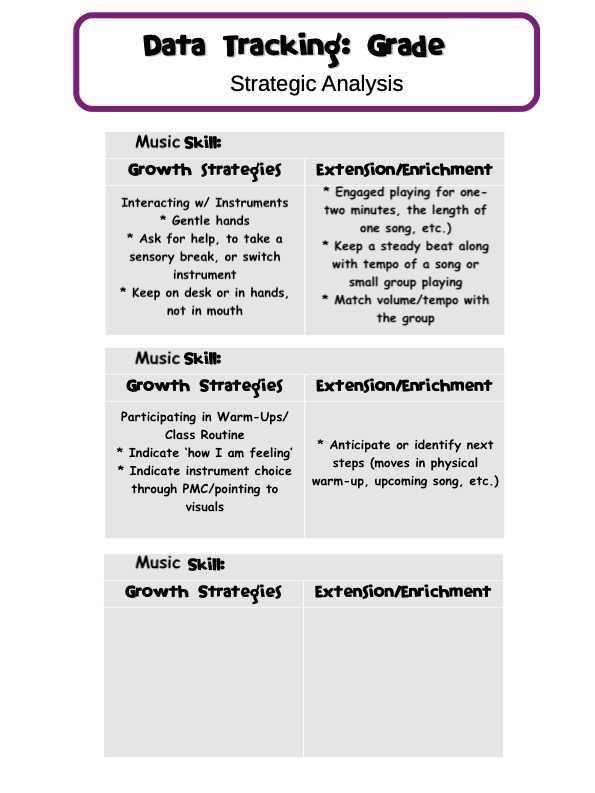
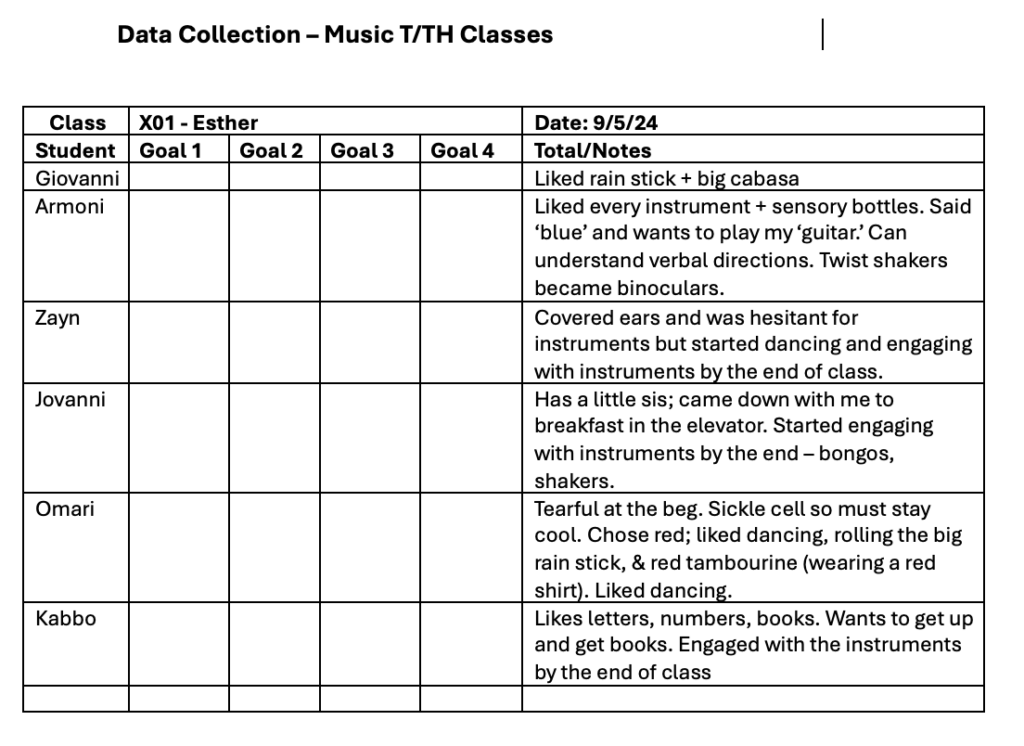
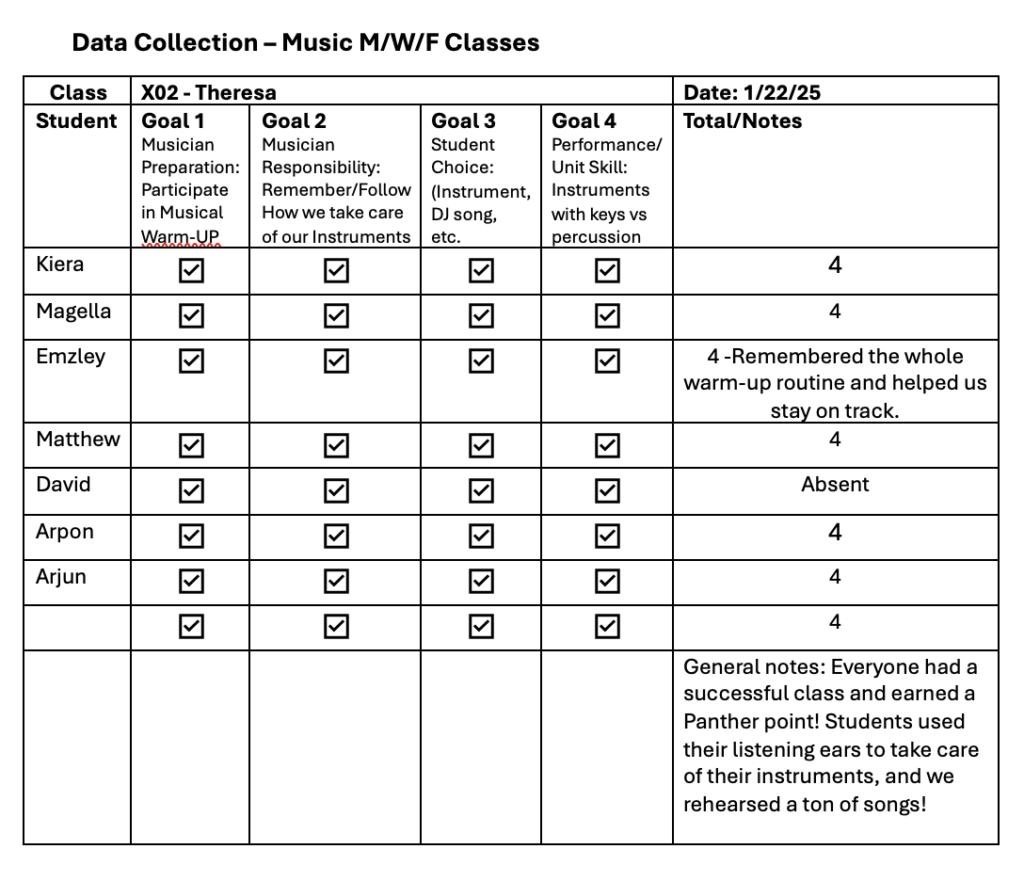
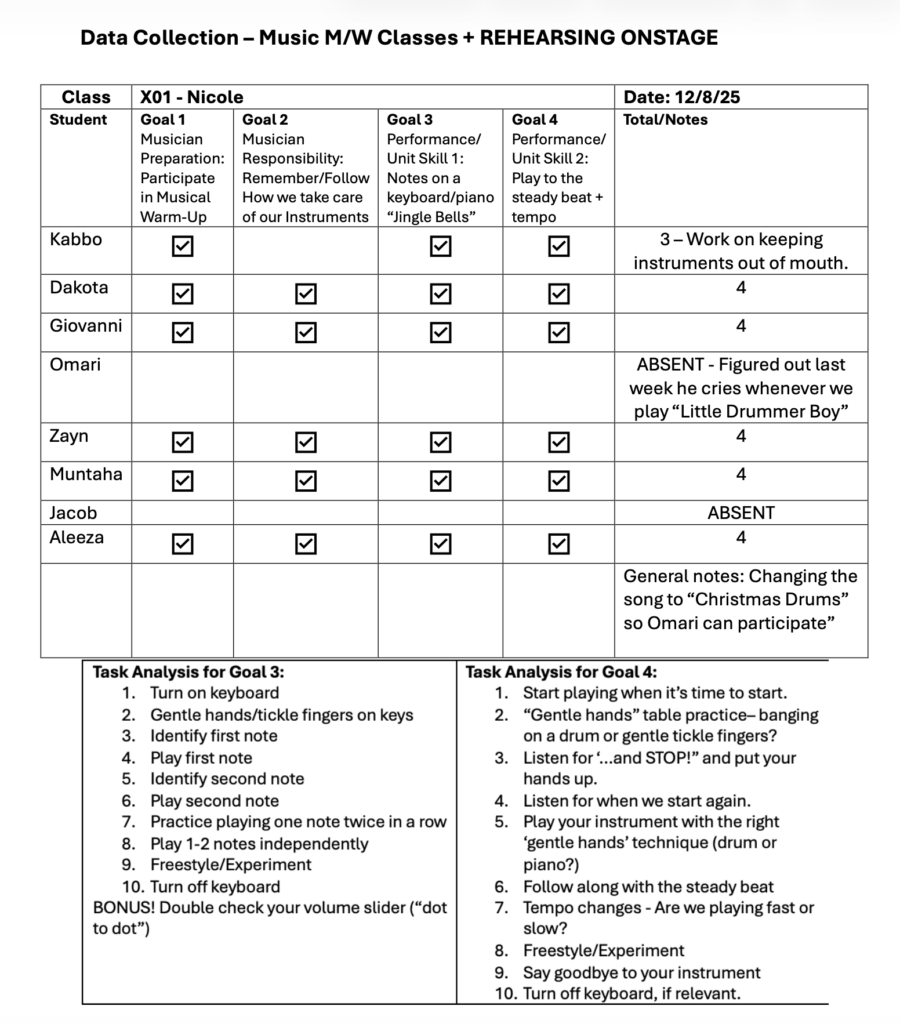
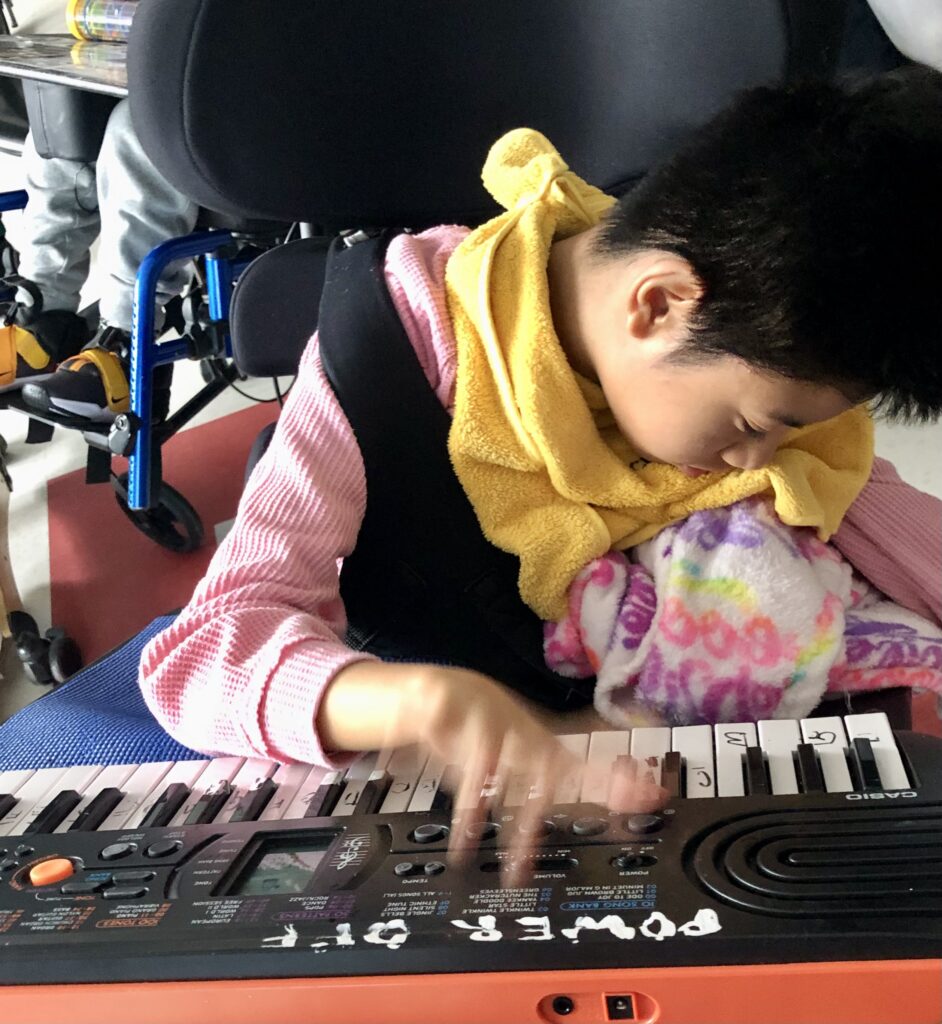
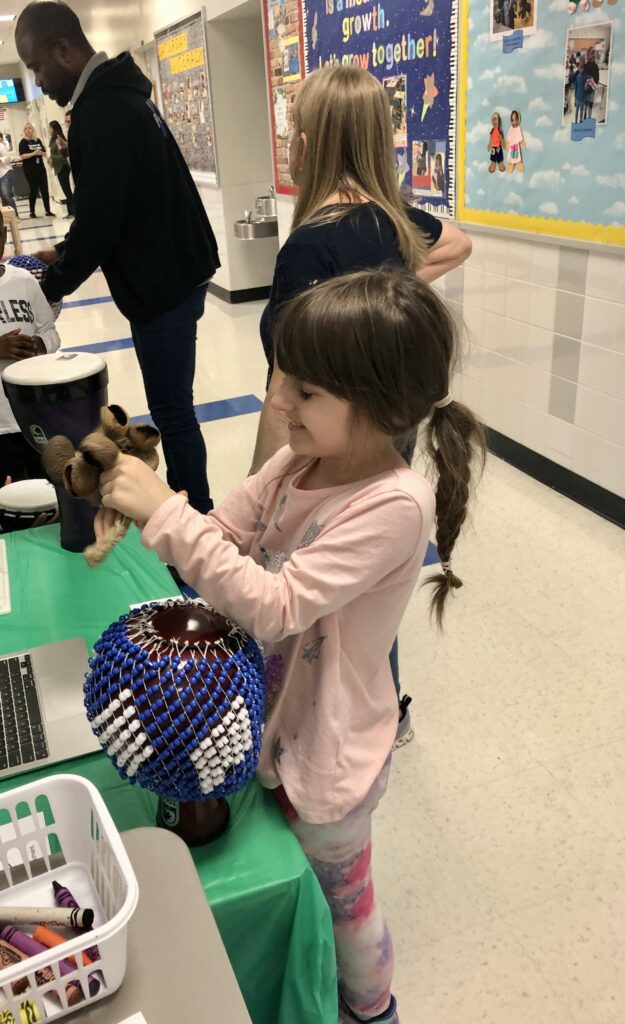
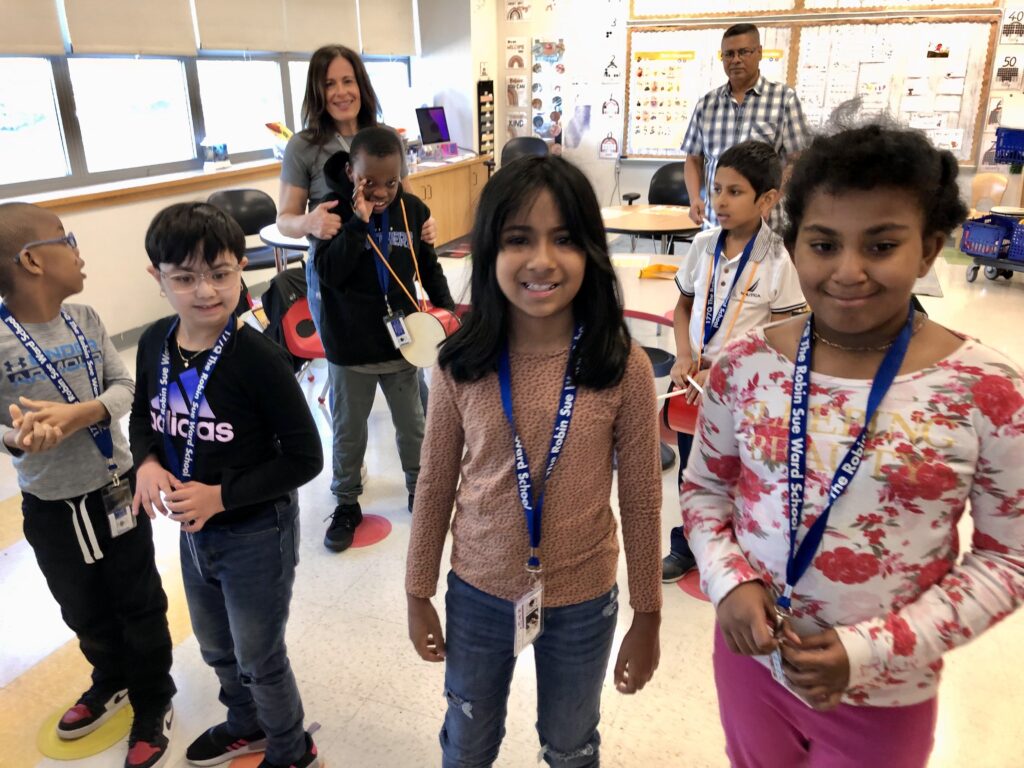
Data is a valuable component of Arts education in general and Music in particular because it provides objective, measurable evidence of student learning and musical development. We begin each year by laying a strong foundation of norms for how to work as a musical ensemble, providing diverse opportunities and access to support student engagement, and establishing expectations for musician responsibility (e.g. ‘how we take care of our instruments’). We then focus in on musical and fine-motor techniques specific to a new instrument — such as playing a ukulele by strumming vs plucking the strings or using ‘gentle tickle fingers’ on the keys of a piano or keyboard. Finally, through the process from rehearsal to performance, we show off our achievements in front of students’ families and the school community. Tracking each student’s weekly achievements and areas for growth throughout the year helps to ensure intentional, consistent progress.
Collecting and analyzing this data allows the Arts department to establish clear baselines, track individual growth over time, and adjust instruction to meet diverse student needs. In Music, a joyful and artistic discipline where progress can look different for every learner, data highlights personal improvement rather than comparison. The aim is to build students’ confidence, foster their freedom to express emotions and explore their creativity, and encourage their love of performance.
Ultimately, tracking data provides a way for Music to expand beyond an enjoyable creative as well as social/emotionally regulating activity into a structured ensemble system that prioritizes measurable growth, confident performance and self-expression, and equitable outcomes for all students.